




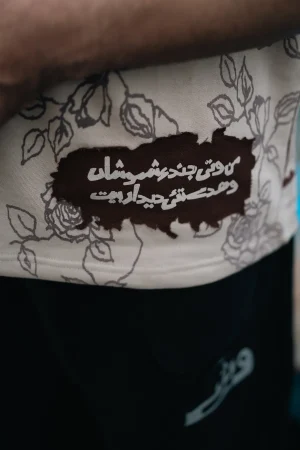
Ahl-e-Mohabbat
USD29.99
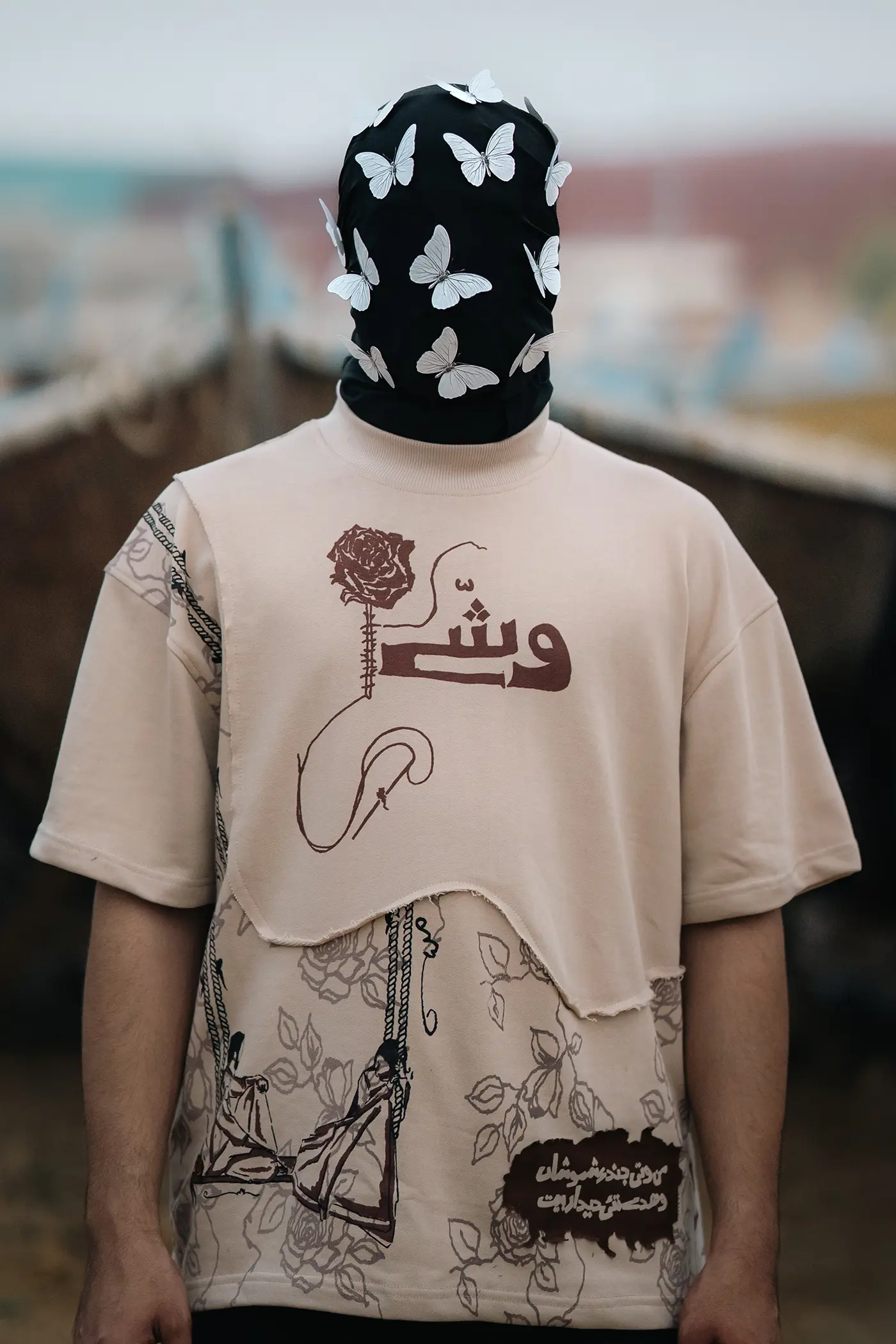
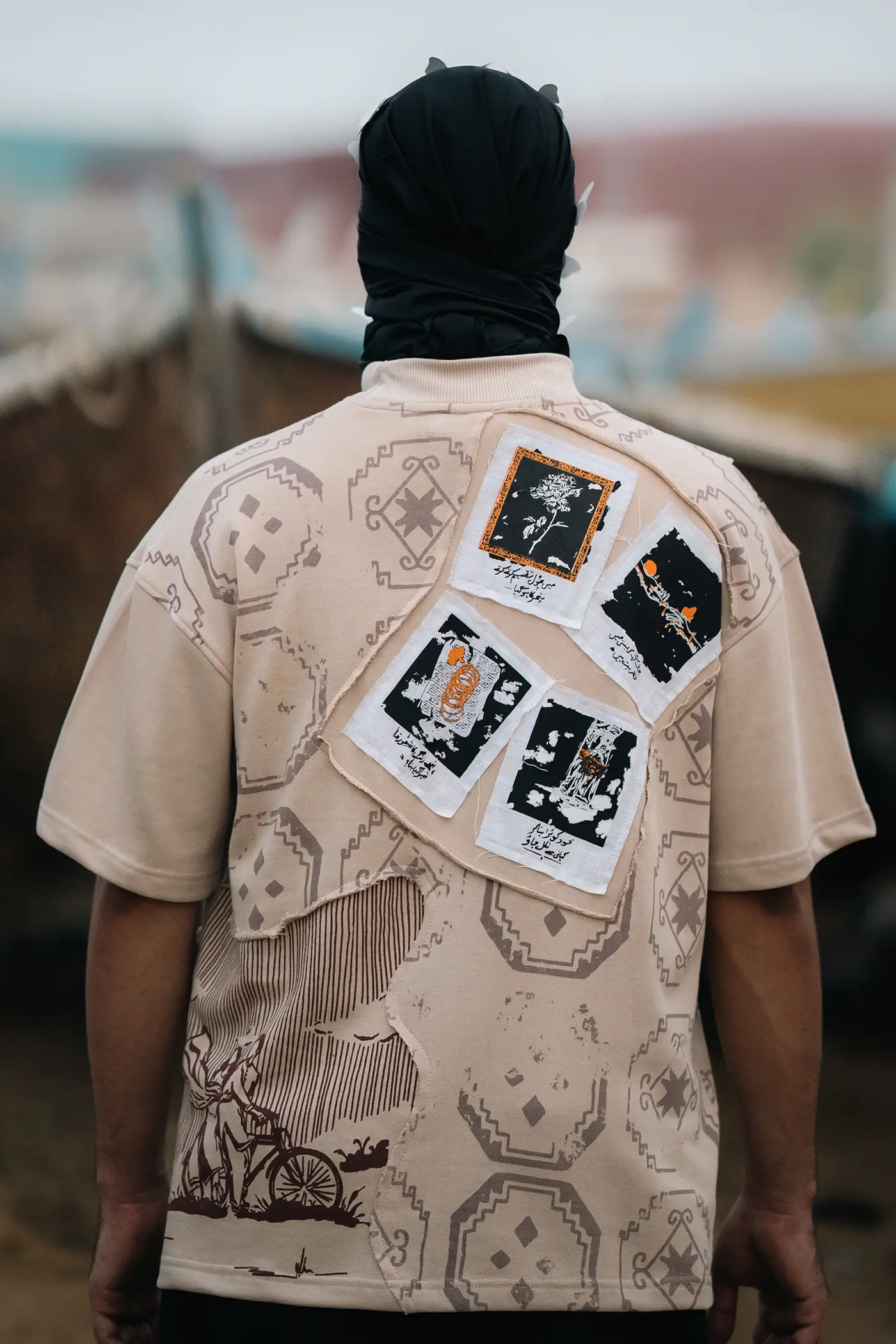
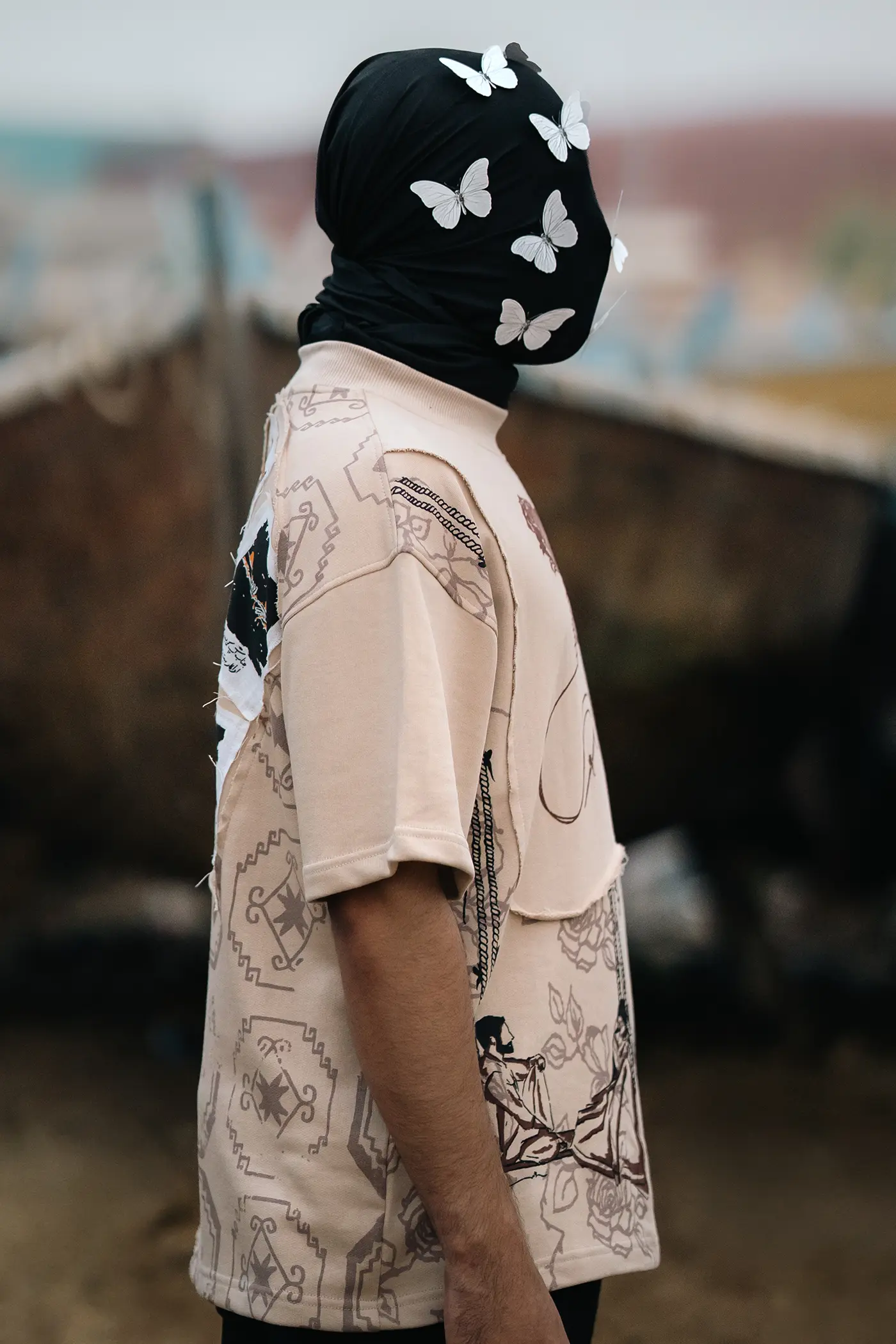
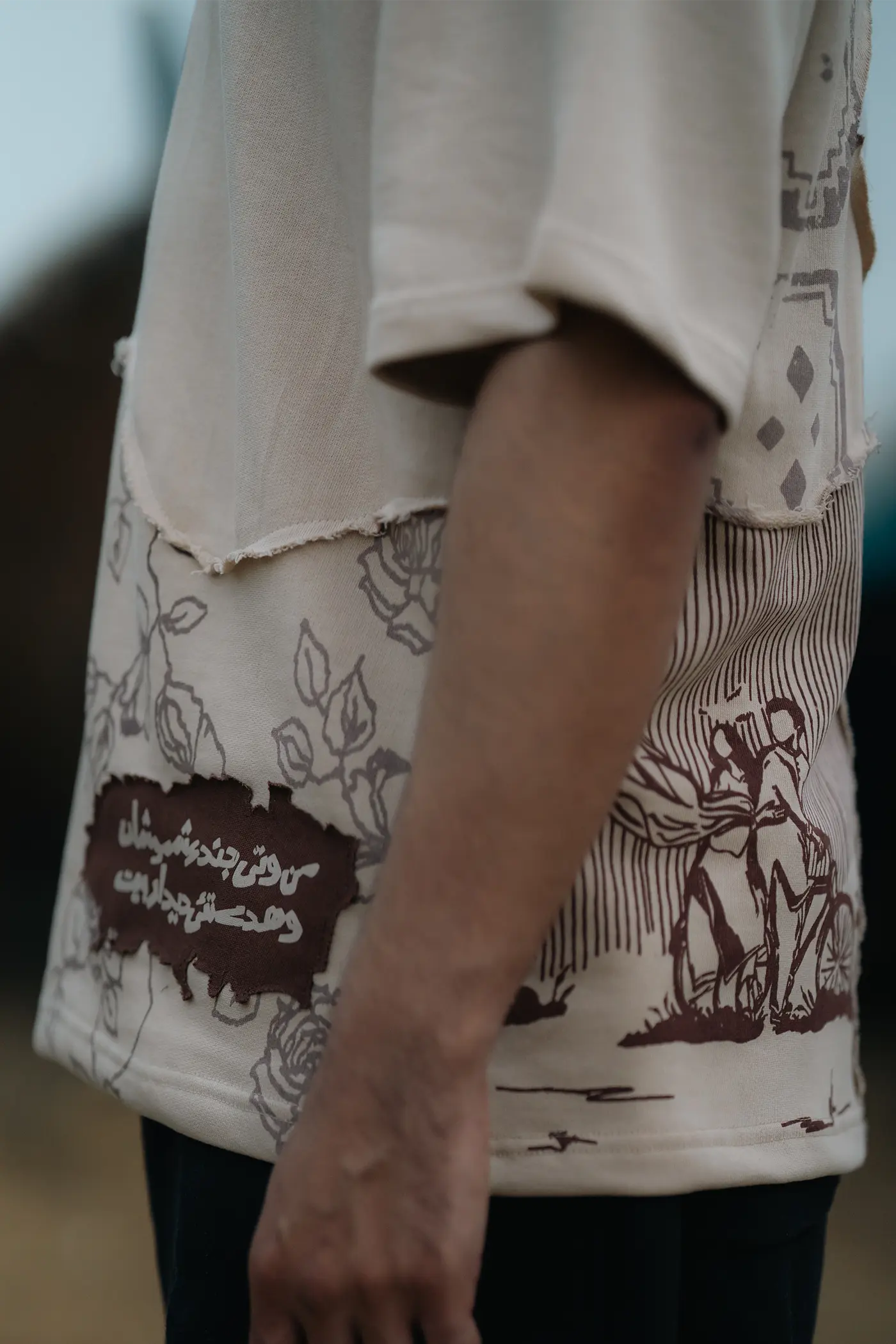
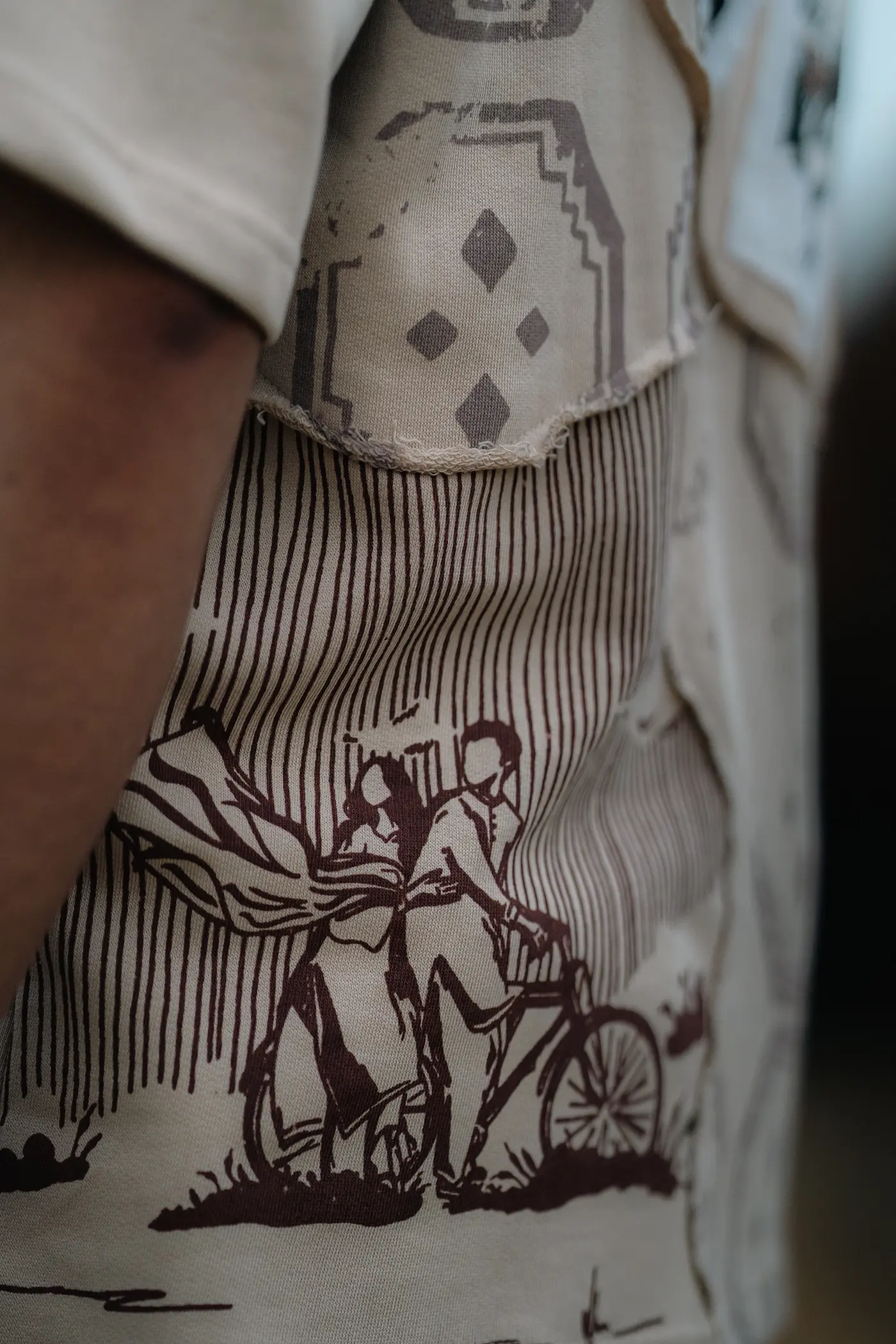
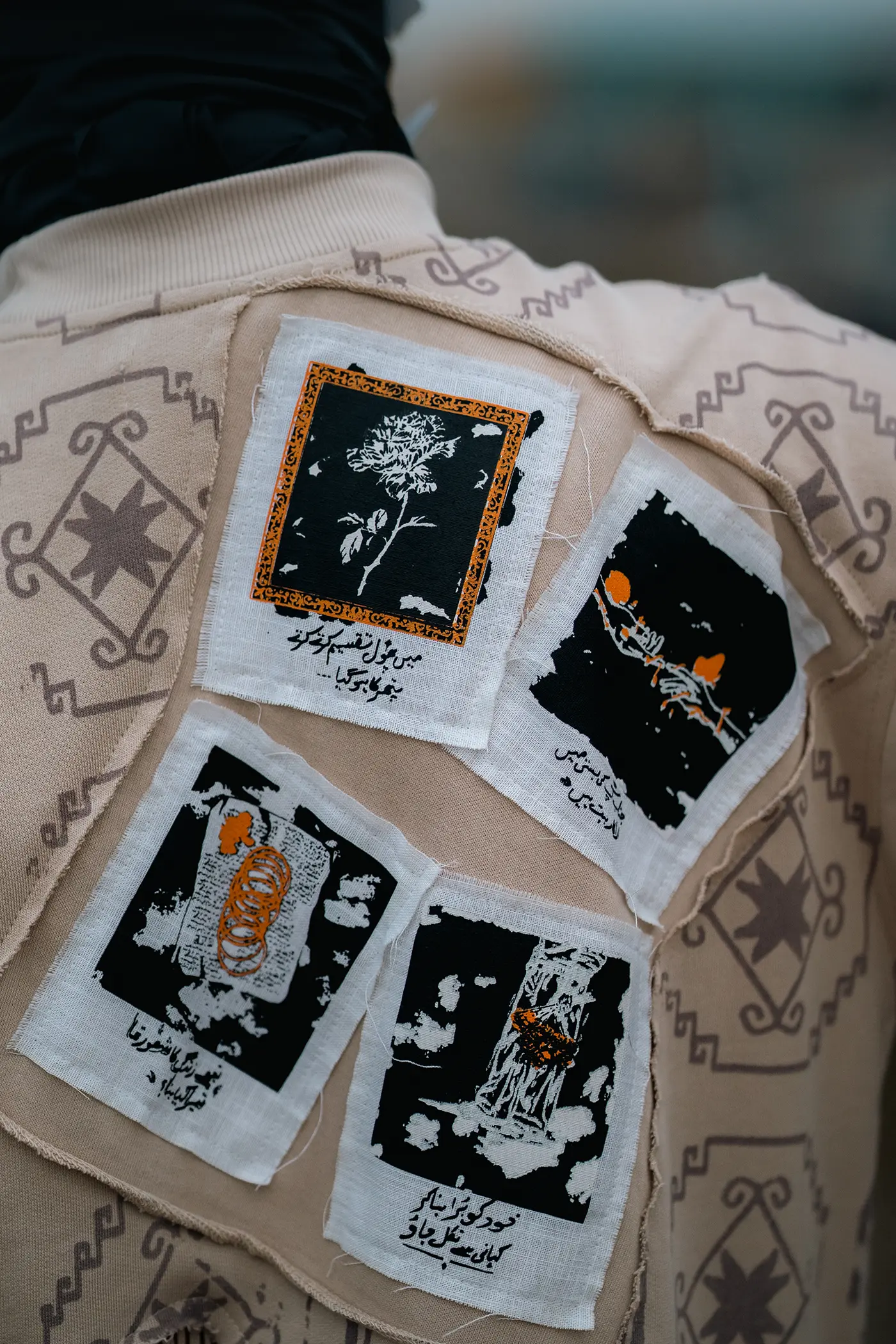
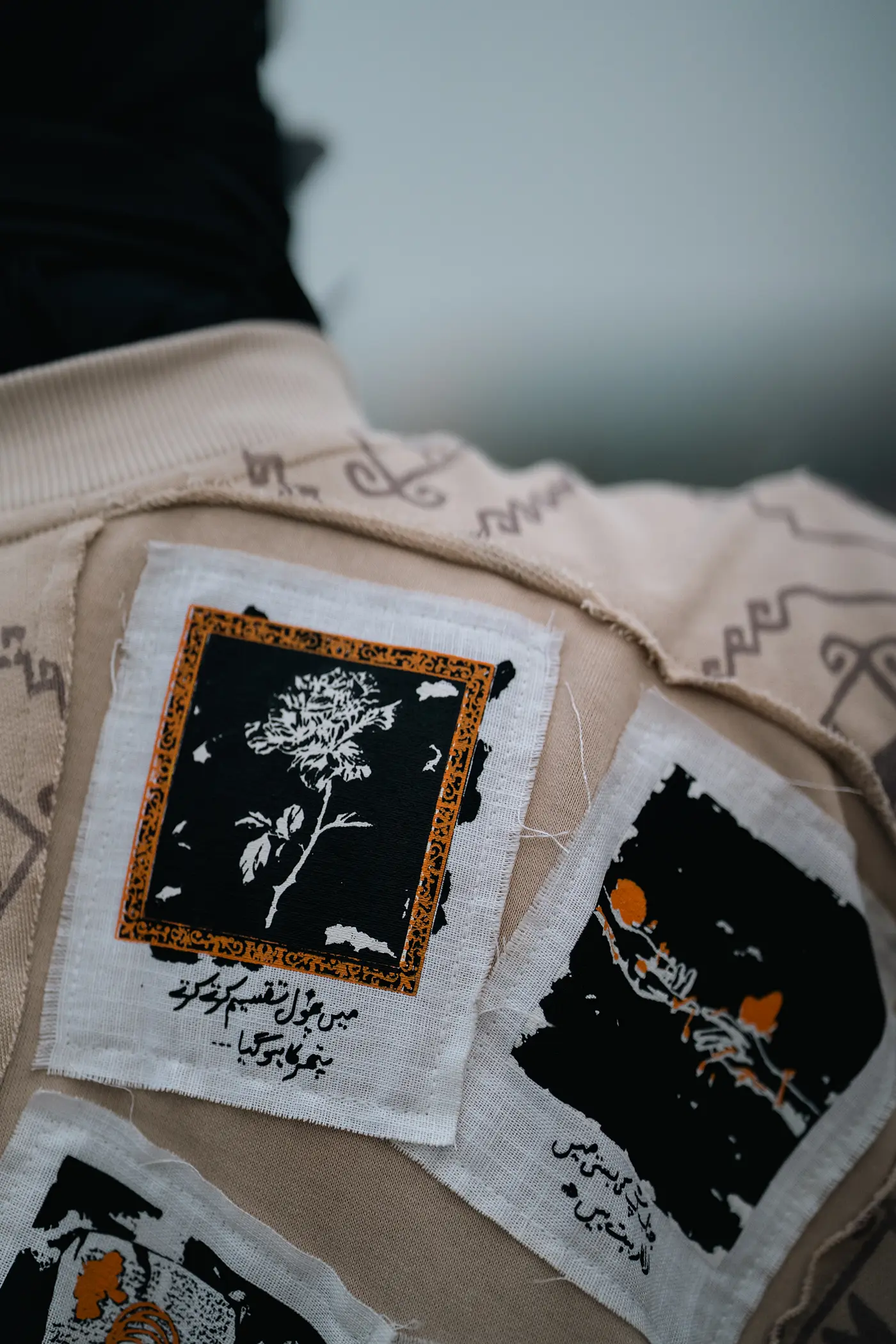
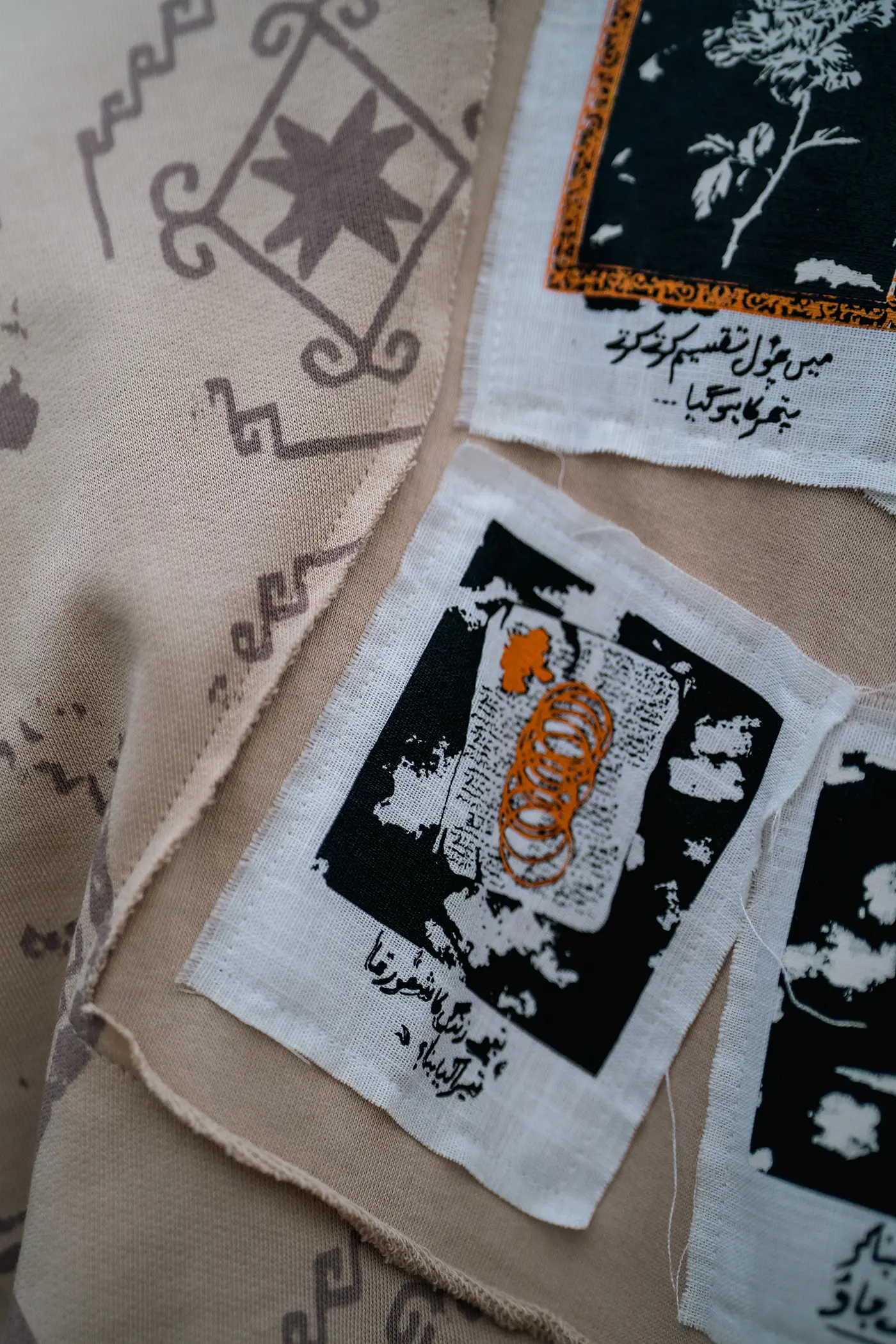
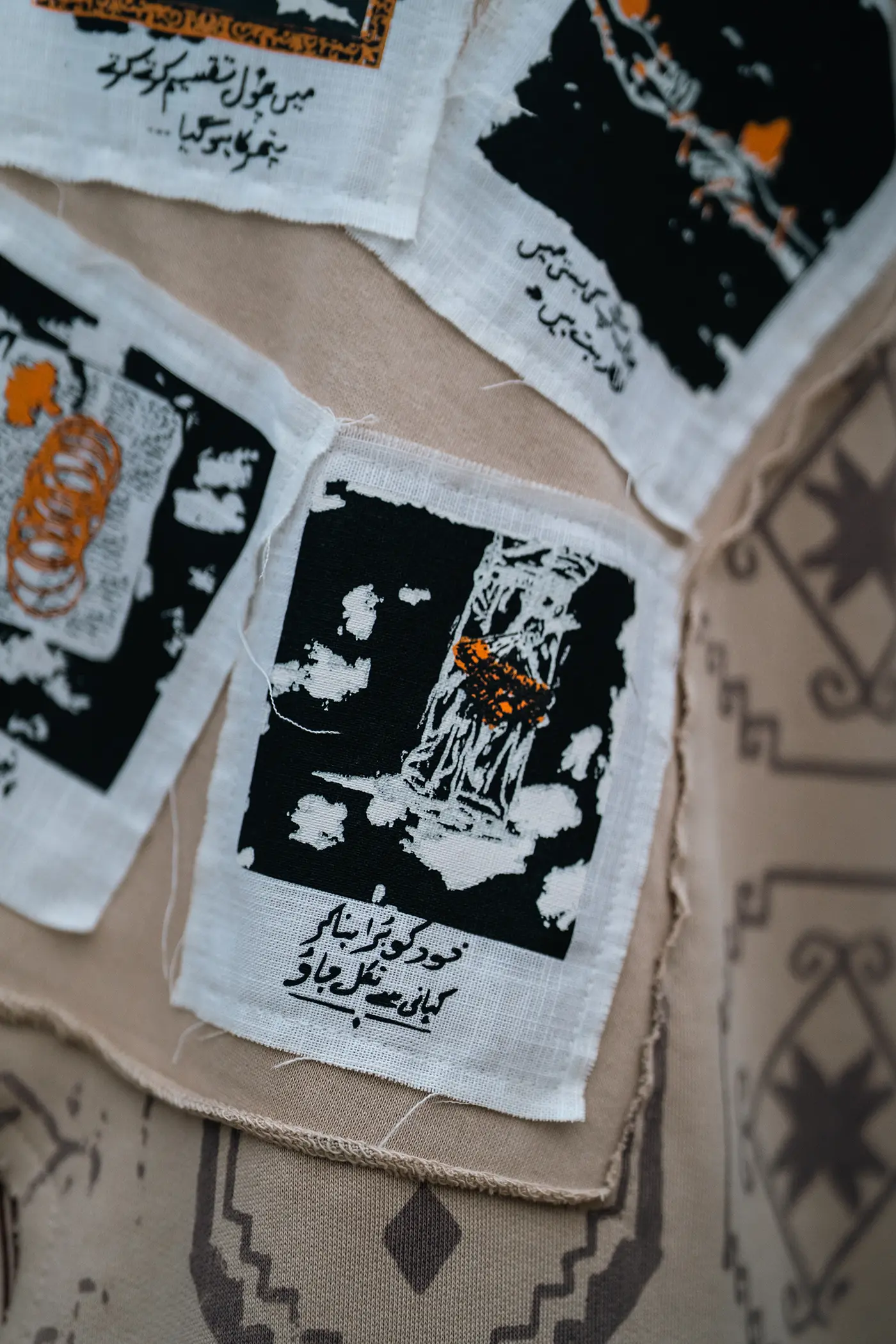
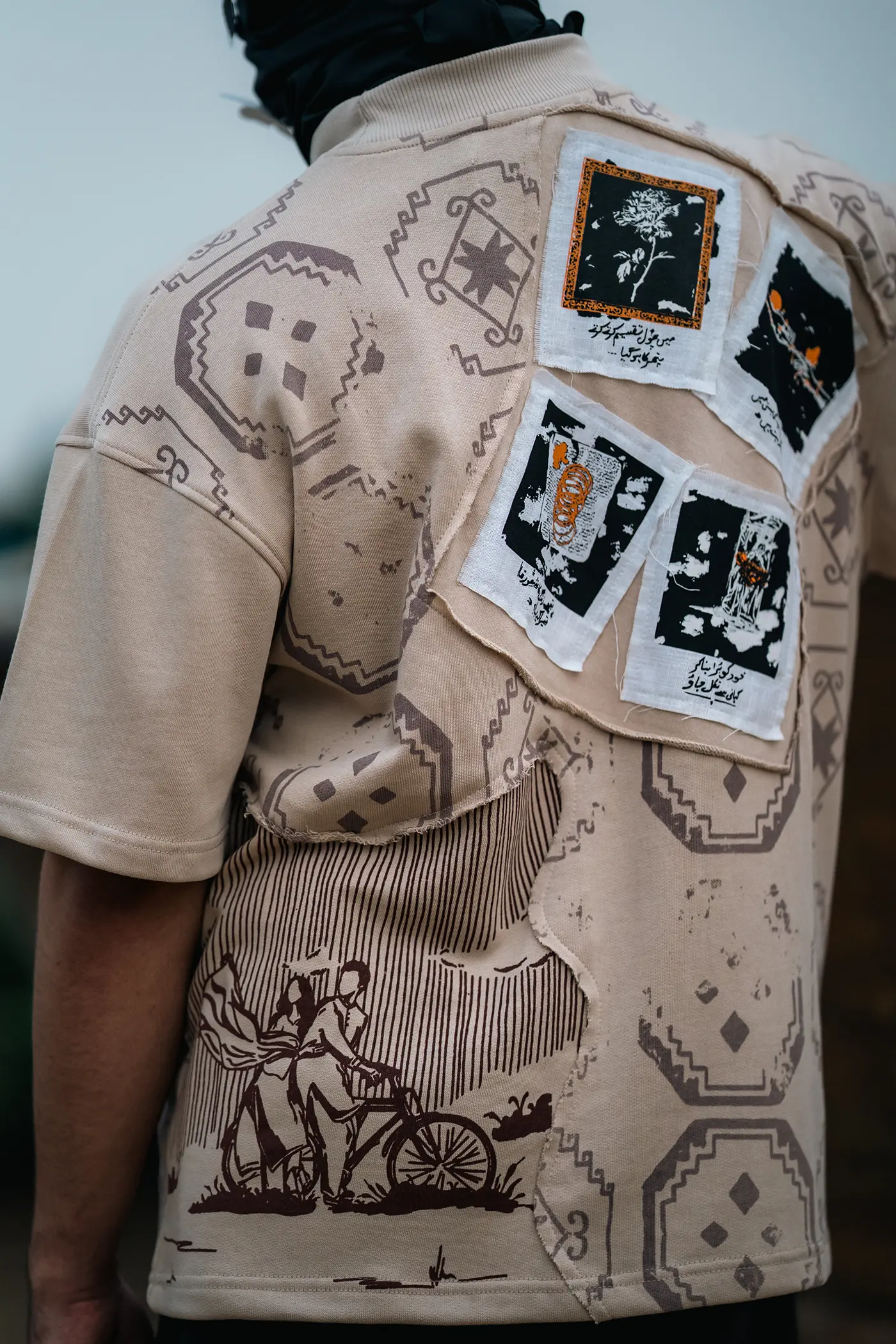
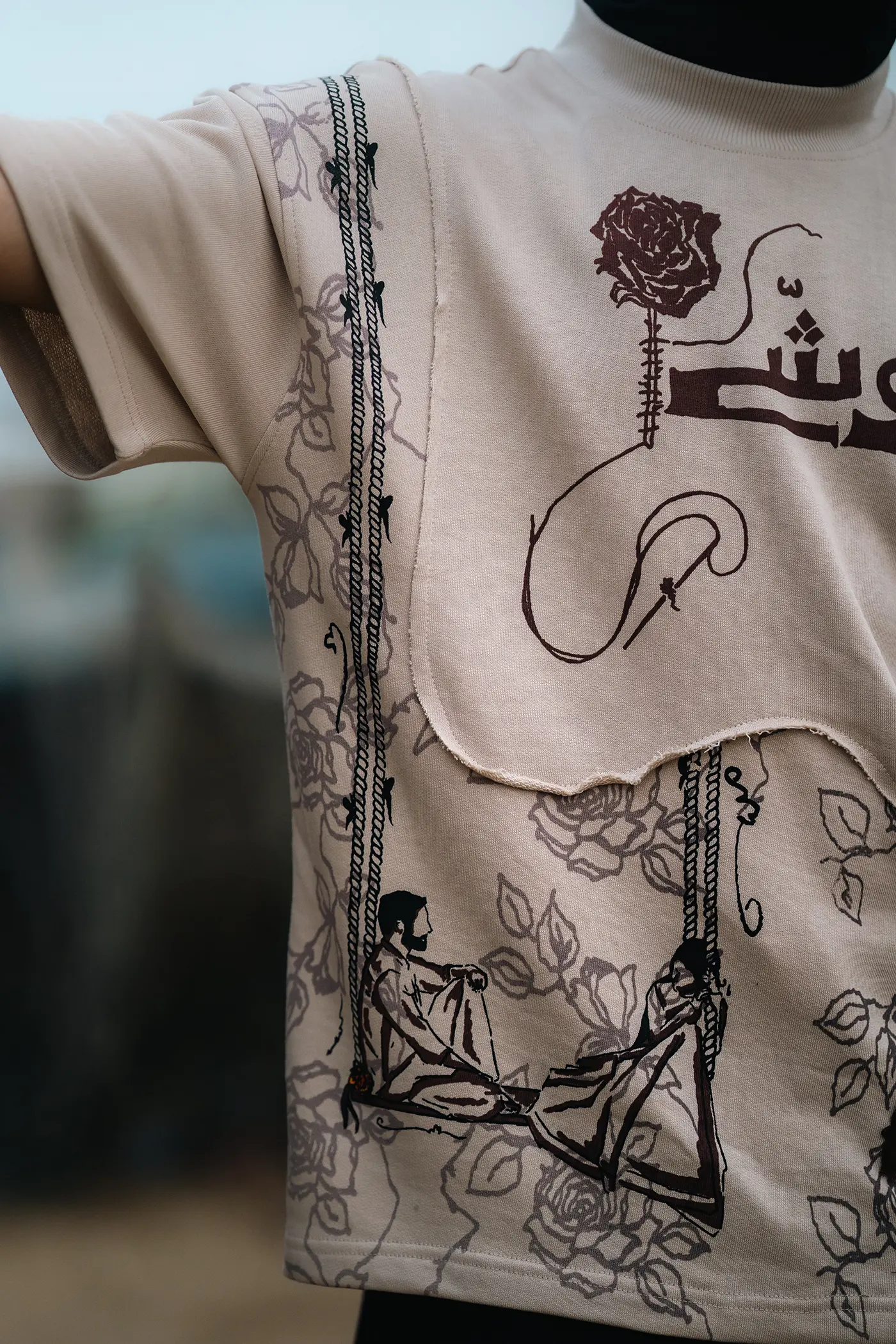
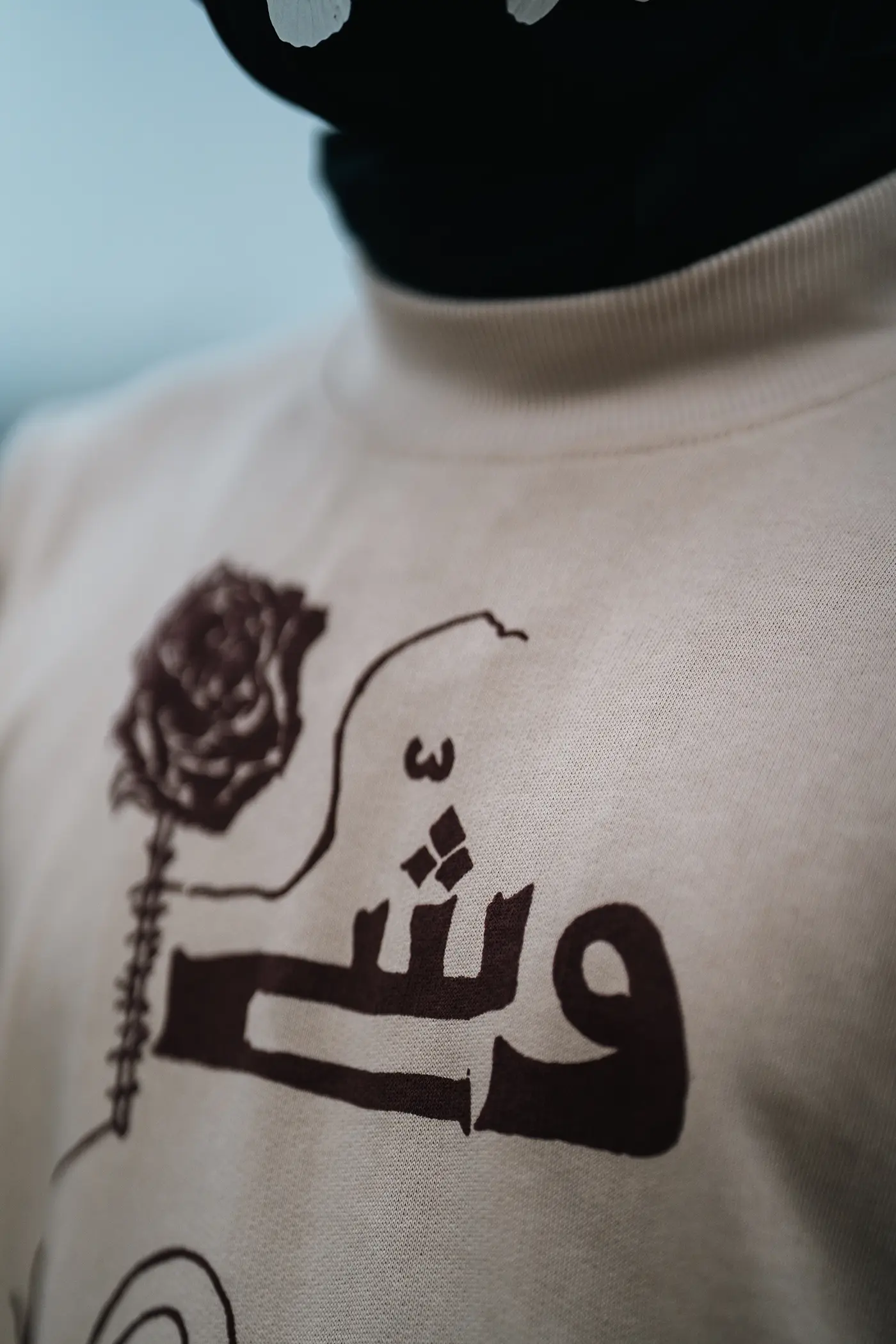
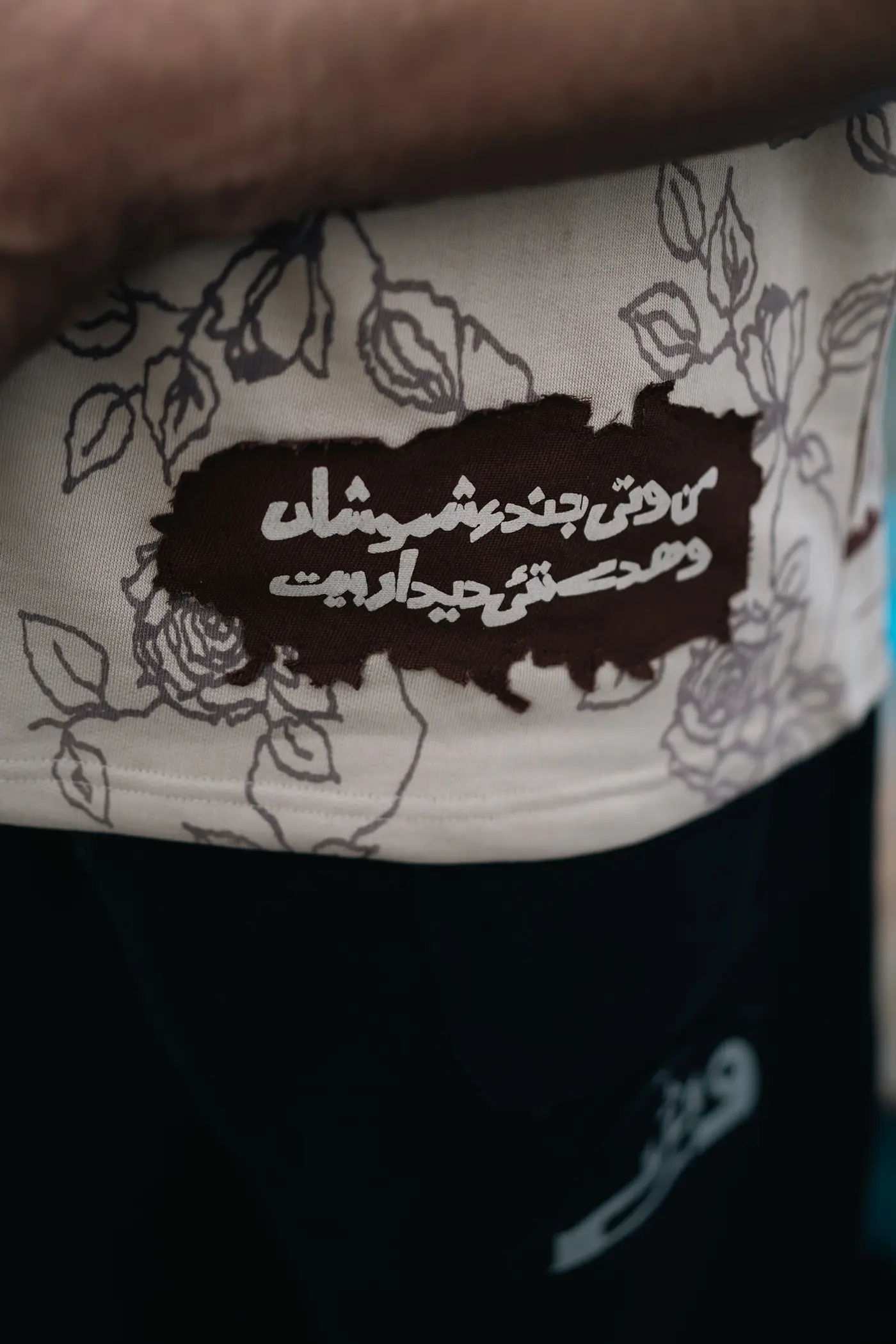
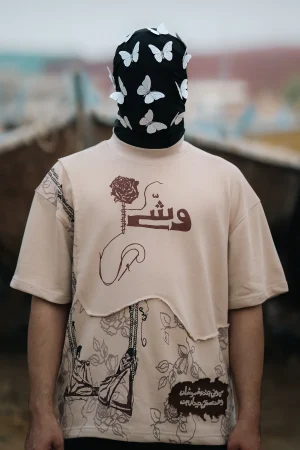
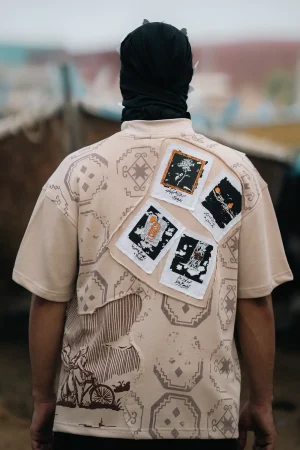
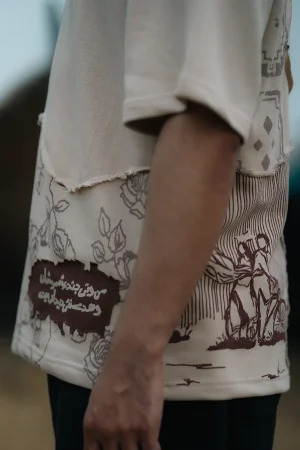
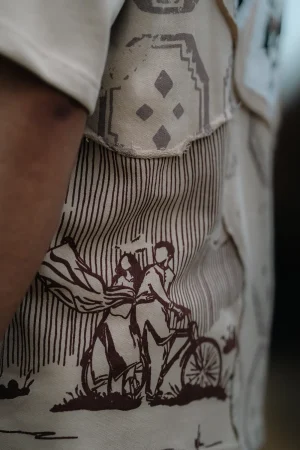
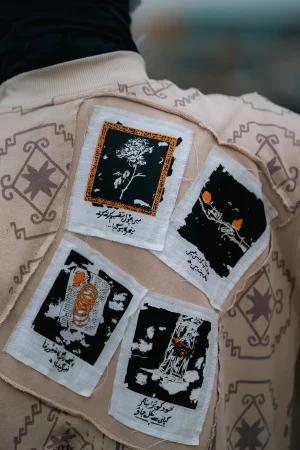
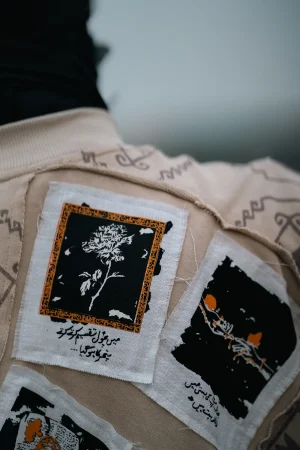
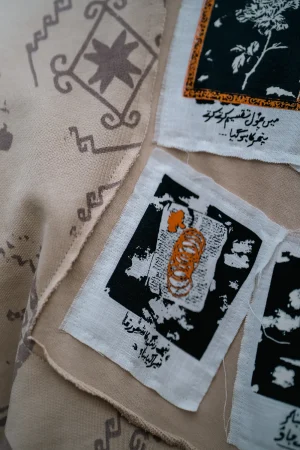
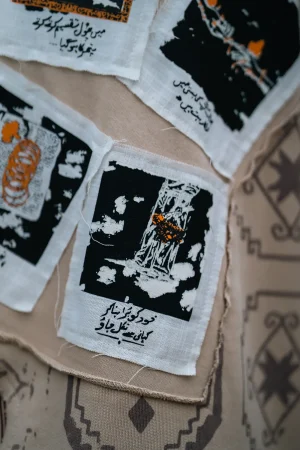
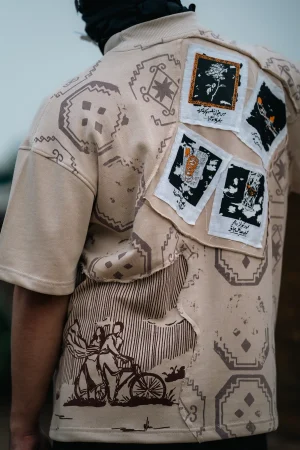
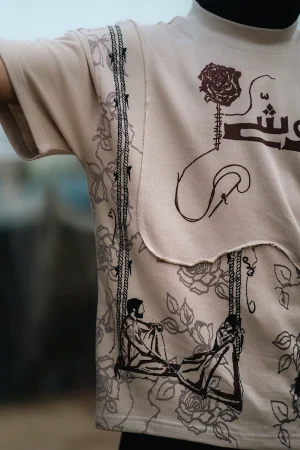
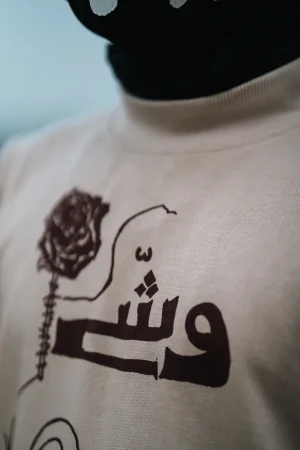
Ahl-e-Mohabbat is an emotional, art-inspired design blending love, memory, and cultural storytelling. It features floral detailing, symbolic artwork, nostalgic illustrations, and poetic Balochi lines on the front, while the back reflects heritage patterns and memory-style scenes of love, separation, and reflection.
Size Guide
| Size | Length | Chest | Shoulder | Sleeves |
|---|---|---|---|---|
| S | 71–72 | 60–61 | 60–61 | 20–21 |
| M | 73–74 | 63–64 | 63–64 | 21–22 |
| L | 76–77 | 66–67 | 66–67 | 24–25 |
| Size | Length | Chest | Shoulder | Sleeves |
|---|---|---|---|---|
| S | 28 | 24 | 24 | 8 |
| M | 29 | 25 | 25 | 8.5 |
| L | 30 | 26 | 26 | 9.5 |
How to Measure
Length - To measure the length, place the measuring tape at the highest point of your shoulder near the neck and run it down to the hem.
Chest - Lift your arms slightly and wrap the tape around the fullest part of your chest, making sure it goes across your shoulder blades for an accurate measurement.
Shoulder - Measure from one shoulder seam to the other across your back, ensuring the tape is straight for an exact fit.
Sleeves - Start at the shoulder seam and measure down to your wrist, with your arm relaxed for the most comfortable length.